


Next Gen GORE-TEX® Products with the ePE Membrane
By: Danielle Vilaplana, Product Content Writer | Last Updated: November 21, 2025
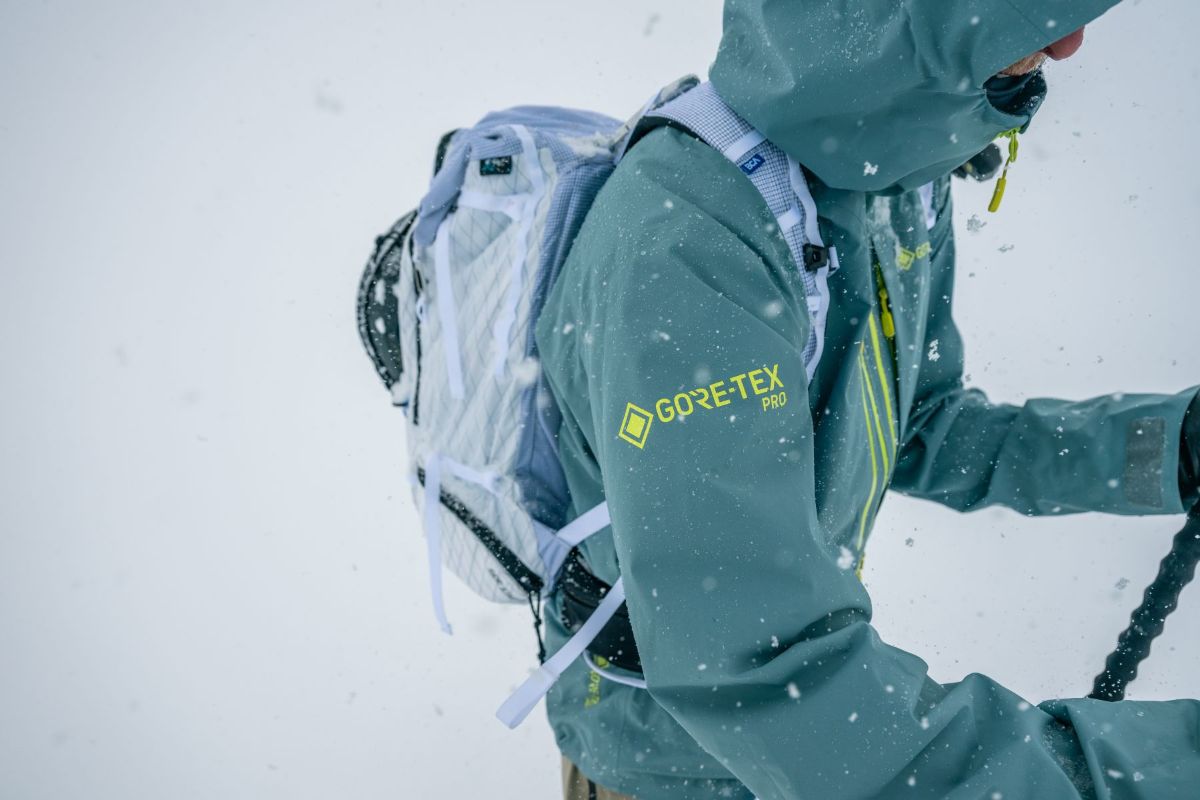
Over the past few years, you may have noticed a new name floating around the gear-sphere - GORE-TEX® ePE, otherwise known as Next-Gen GORE-TEX® Products. These garments provide the waterproof, windproof, and breathable protection the GORE-TEX® Brand is known for and feature an innovative ePE membrane. This membrane is thinner, lighter, durable, and produced without intentionally added per-and polyfluorinated substances, while delivering exceptional performance in extreme weather and rugged conditions.
Next Gen GORE-TEX® Products with ePE were first released in 2022, with the introduction of GORE-TEX Pro ePE in 2025 completing the lineup. From here on out, new GORE-TEX® products found at retail will use the ePE membrane and have been widely released in outerwear by Patagonia, Arc'teryx, Mountain Hardwear, and more.
We’ll explain why Gore’s Fabrics business developed ePE and how to care for it below, but the key takeaway is that the ePE membrane is a highly advanced membrane that’s even lighter and thinner than the original. With proper maintenance, your ePE membrane will keep you warm and dry through downpours, blower pow days, and the heaviest concrete the Cascades can conjure.

What is GORE-TEX ePE?
The GORE-TEX® ePE Membrane is laminated to the face (outer) fabric of a waterproof garment. In 2-Layer shells, it sits just beneath the face fabric, but in 3-Layer shells they’re sandwiched between the face fabric and a backer. The face fabric protects the membrane, while the backer helps distribute moisture for better evaporation in jackets, shoes and gloves.
The ePE Membrane is microporous, with millions of pores per square inch that are smaller than a water droplet. They are large enough to let water vapor escape but too small for external water droplets to get in, creating a waterproof-breathable membrane. This breathability performs best when there is a large temperature gradient between your body and the outside air, like the kind of difference you experience while skiing.
Original waterproof materials used a material called “ePTFE” (expanded polytetrafluoroethylene ) as their core membrane. This extremely waterproof material contained a group of chemicals called per and polyfluoroalkyl substances (PFAS), which we’ll explain a little further below. For over a decade, Gore’s Fabrics business researched and designed a new membrane that was outside this chemical grouping, ePE (expanded polyethylene), as a lighter, thinner, and less-resource intensive version of its technology.
These Next Gen GORE-TEX® Products with ePE still have the waterproof-breathability that made GORE-TEX® Brand a household name, but they’ve pushed outdoor gear further by letting designs cut waste and weight – perfect for serious backcountry adventures.
It’s not just about the membrane, though. Most waterproof products are treated with a durable water repellent (DWR) that causes water to bead up and roll off. Having moved beyond fluorine-based DWR, Gore also developed an innovative DWR treatment that still offers a high level of performance with a lower chemical footprint. This is commonly noted as fluorine-free, PFAS-Free, and sometimes PFC-Free DWR.
The Science of ePE
PFAS have a strong bond between the carbon and fluoride, which means that they will take a long time to break down. In North America, major brands like Patagonia, REI, and Arc’teryx and states like California led the way on eliminating these chemicals, leading a ban of PFAS in apparel in California in 2025, with a few exemptions. In a few years, PFAS will be banned in all other products in California, too.
The original ePTFEs themselves are not considered a health concern since they retain their solid form instead of releasing into the environment. But for many synthetic products, including outerwear, the move to better manufacturing practices and the move to the development of ePE is a step forward for in selecting more environmentally-conscious materials. ePE has a lower carbon footprint overall1 because it is thinner and lighter without sacrificing strength and durability, meaning garments require less manufactured materials. The manufacturing process has also evolved to using more sustainable1 manufacturing plants and processes, such as using recycled materials and solution-dyeing. This reduces both waste, water and energy consumption.
How to Care for ePE
Caring for your Next-Gen GORE-TEX® Products with ePE is very similar to caring for previous generation GORE-TEX® Products. Most people could get away with no maintenance on their ePTFE GORE-TEX® jackets (depending on use), so the only care difference is having to occasionally wash it. If you’re the kind of person who sweats a lot on the skin track, you should do your partners this courtesy anyways.
It’s really not much different than anything else in your life that requires a little care. Sometimes your skis need to be waxed, and sometimes you have to wash and/or treat your outerwear to keep it performing at its best. When it comes to chores, it’s a pretty low-effort one.
No Next Gen GORE-TEX® Product will be the same though, so we recommend checking the label on your garment before diving in. Not all brands specify if they use the ePE membrane, so a rule of thumb is that if you purchase a new 2026 jacket, it will be a GORE-TEX® Product with ePE.
Wash Regularly
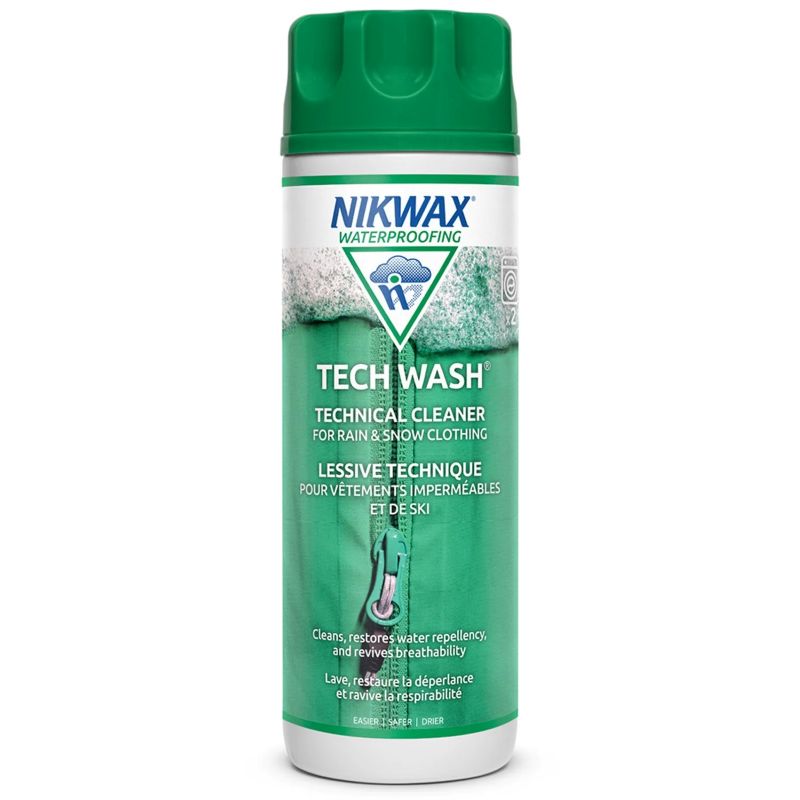
Don’t be afraid to wash your gear, just make sure to close the zippers and Velcro before tossing items in the machine. Machine wash in cold or warm water (up to 40°C / 104°F) using a small amount of unscented liquid detergent. We like Nikwax Tech Wash, but any brand will do. Avoid fabric softeners, bleach, or powders, which can damage the fabric.Rinse Well
Residue can reduce water repellency, so run an extra rinse cycle to make sure all detergent is removed.Dry
You can hang dry it if you prefer. Otherwise, tumble dry on medium.Heat
Heat is the most important step. It reactivates the DWR treatment on the outer fabric, which helps rain bead up instead of soaking in. After the garment is dry, be sure to toss it into the dryer for 20 minutes to reactivate the DWR.
Reapply DWR When Needed
Over time the surface fabric will stop beading water as effectively. This doesn’t mean the membrane has failed - it’s still waterproof - but the outer layer may feel wet and heavy. Use a DWR spray or wash-in treatment like Nikwax to restore water beading - At evo, we like Nikwax TX Direct, which comes in easy wash-in and spray-on options.
Store Dry
Always let your gear dry completely before storing it. This prevents mildew and keeps the garment in top condition
The Bottom Line
Next-Gen GORE-TEX® Products with an ePE membrane represent a big step forward in outdoor gear. It keeps the core promise of the GORE-TEX® Brand - durable, waterproof, windproof, and breathable protection - while lowering the carbon impact2 . With the right care - regular washing, and occasional DWR reactivation - your Next-Gen GORE-TEX® Gear will last for many seasons of adventure. So, whether you’re skiing, hiking, or braving a rainy commute, you can trust that this new generation of GORE-TEX® Products are built to keep you dry, comfortable, and ready for whatever comes next.
Footnotes
1Through the laminate’s innovative membrane and select textiles (per Higg MSI)
2 Made without intentionally added per- and polyfluorinated substances; may contain trace amounts

Danielle Vilaplana
Product Content Writer
Danielle is a writer and photographer in Salt Lake City, UT.


