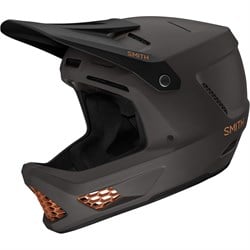
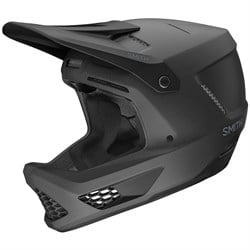
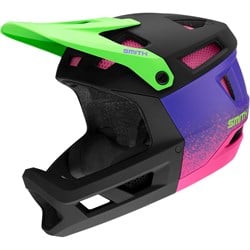
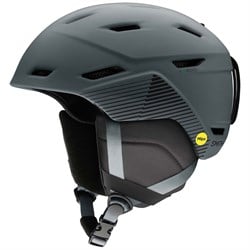
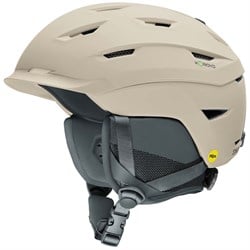
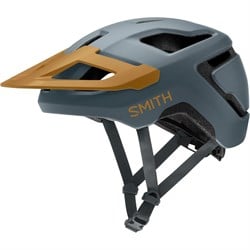
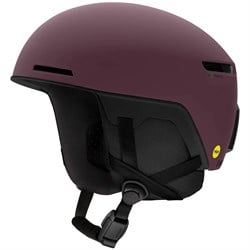
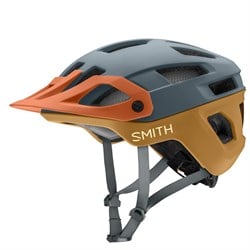
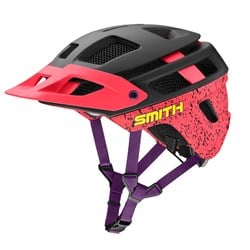
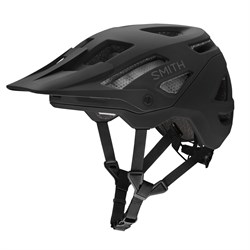
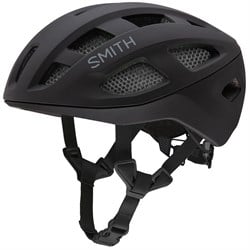
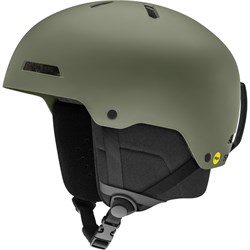
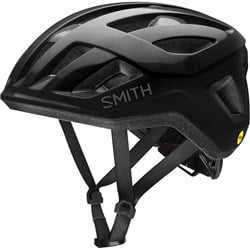
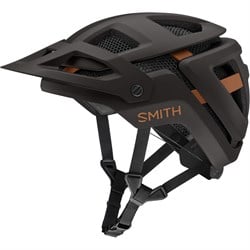
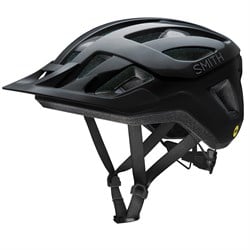
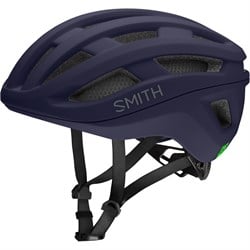
About Smith Downhill Helmets
Experience unparalleled protection and performance with our selection of downhill helmets, expertly designed for serious mountain bikers. These helmets feature advanced safety technologies, such as MIPS (Multi-directional Impact Protection System), which helps reduce rotational forces during impacts. With a lightweight construction and superior ventilation, they ensure comfort and breathability, allowing you to focus on the trail ahead.
Our downhill helmets are engineered for optimal fit and stability, providing confidence on steep descents and rugged terrain. Many models include adjustable visors and removable liners for added convenience, making them versatile for various riding conditions. Equip yourself with a helmet that combines safety, style, and functionality for your next downhill adventure!
What are downhill helmets?
- Downhill helmets are specialized protective gear designed for mountain biking, particularly for downhill riding. They offer enhanced coverage and impact protection compared to standard cycling helmets, ensuring safety during high-speed descents.
Why is MIPS technology important in downhill helmets?
- MIPS technology is crucial as it helps reduce the risk of brain injuries by allowing the helmet to rotate slightly upon impact. This feature minimizes the rotational forces transferred to the head, providing an additional layer of safety during falls.
How do I choose the right downhill helmet?
- When selecting a downhill helmet, prioritize fit, safety certifications, and features like ventilation and weight. Ensure the helmet is snug but comfortable, and consider additional features such as adjustable visors and removable liners for versatility.
Can I use a downhill helmet for other types of biking?
- While downhill helmets are specifically designed for downhill biking, they can be used for other types of mountain biking, especially in aggressive riding conditions. However, they may be heavier and less ventilated than helmets designed for cross-country or road biking.
What features should I look for in a downhill helmet?
- Key features to consider include MIPS technology for added safety, a lightweight design for comfort, ample ventilation for airflow, and a secure fit system. Additional features like a removable liner and adjustable visor can enhance usability and convenience.
How often should I replace my downhill helmet?
- It is recommended to replace your downhill helmet every 3-5 years, or immediately after a significant impact. Regularly inspect your helmet for signs of wear, such as cracks or dents, which can compromise its protective capabilities.