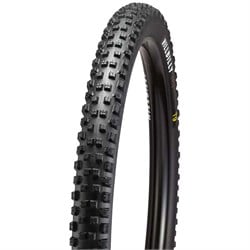
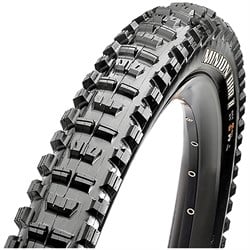
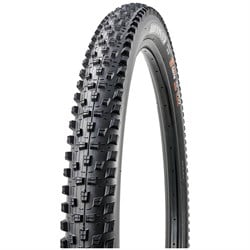
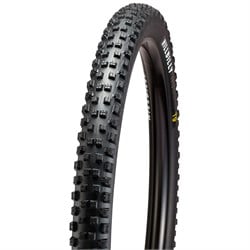
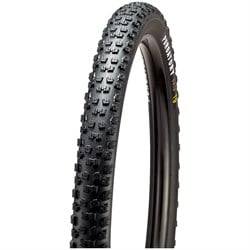
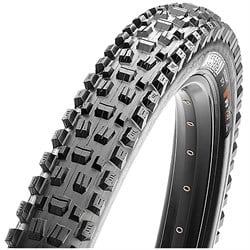
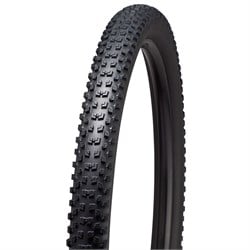
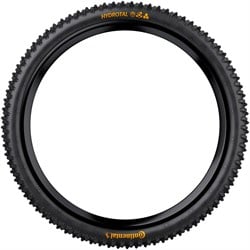
About Mountain Bike Tires for Muddy Conditions
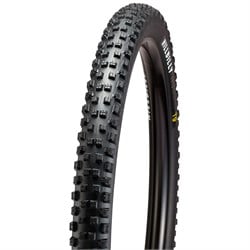
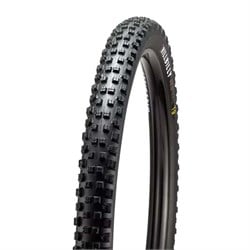
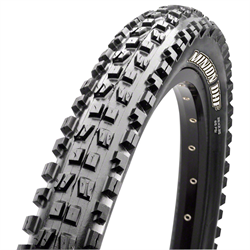
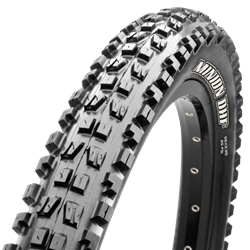
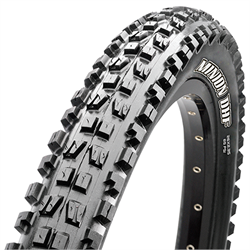
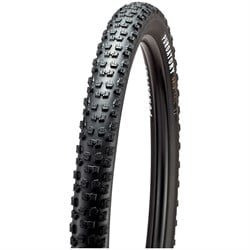
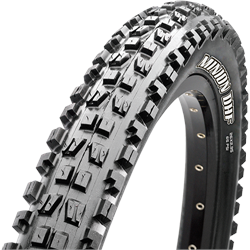
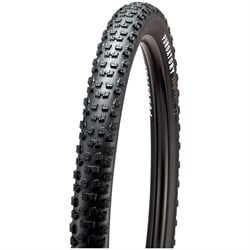
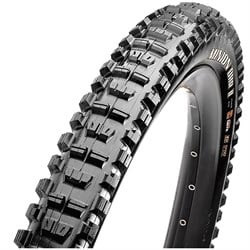
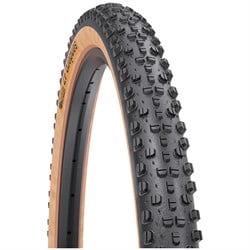
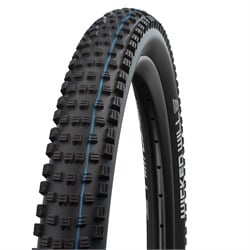
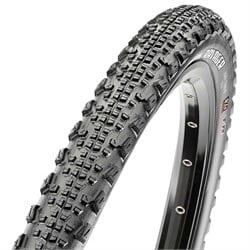
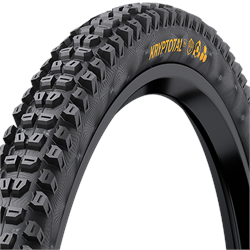
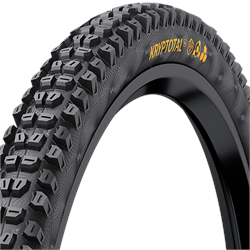
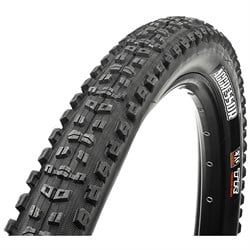
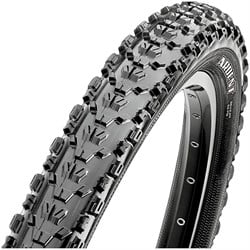
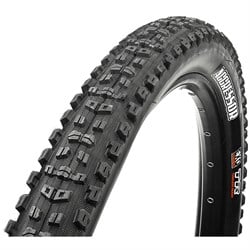
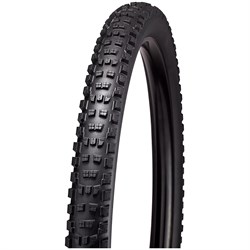
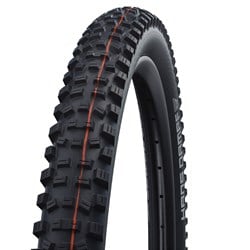
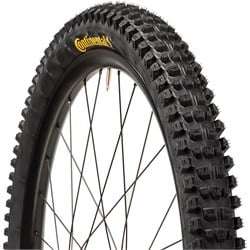
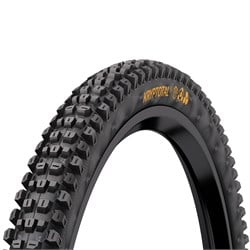
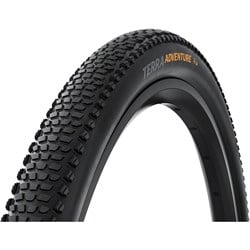
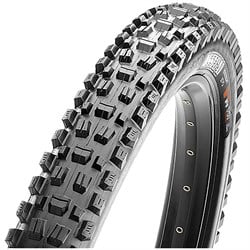
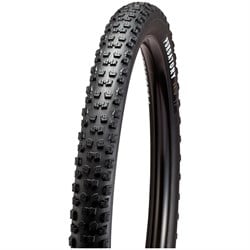
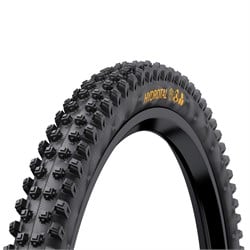
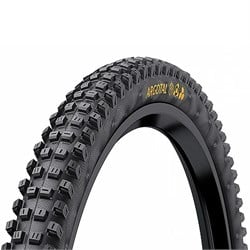
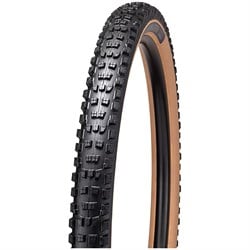
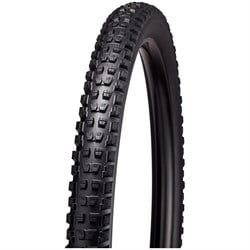
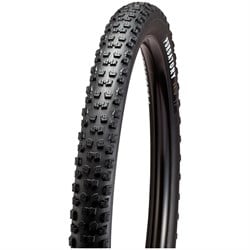
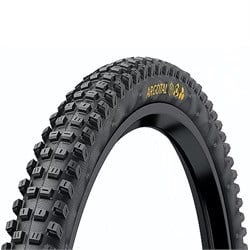
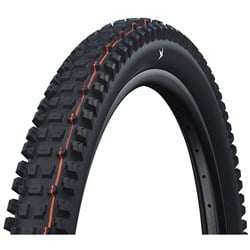
When tackling muddy trails, having the right mountain bike tires is essential for maintaining traction and control. Our selection of tires designed specifically for muddy conditions features aggressive tread patterns that dig into soft terrain, providing superior grip and stability. These tires are engineered with durable rubber compounds that enhance performance in wet and slippery conditions, ensuring you can ride confidently through the muck.
In addition to their exceptional traction, these mountain bike tires often come with reinforced sidewalls to resist punctures and abrasions, making them ideal for rugged trails. With options available for various wheel sizes, you can find the perfect fit for your bike, allowing you to conquer muddy paths with ease and enjoy your ride, no matter the weather.
What makes mountain bike tires suitable for muddy conditions?
- Mountain bike tires for muddy conditions typically feature deep, aggressive tread patterns that provide enhanced grip on slippery surfaces. The rubber compounds used are designed to maintain flexibility and traction in wet environments.
How do I choose the right mountain bike tires for mud?
- Look for tires with wide, spaced-out knobs that can channel mud away from the tread. Additionally, consider the tire width and compatibility with your bike to ensure optimal performance in muddy conditions.
Can I use regular mountain bike tires in muddy conditions?
- While regular mountain bike tires can handle some mud, they may not provide the same level of traction and control as specialized muddy condition tires. It's best to use tires designed for mud to ensure safety and performance on slippery trails.
What are the benefits of using tubeless tires in muddy conditions?
- Tubeless tires reduce the risk of pinch flats and allow for lower tire pressures, which can improve traction in muddy conditions. They also provide a better seal against moisture and debris, enhancing overall performance.
How often should I replace my mountain bike tires for muddy conditions?
- Replacement frequency depends on usage and wear. Inspect your tires regularly for signs of damage or excessive wear, especially after riding in muddy conditions, and replace them when tread depth is significantly reduced.
Are wider tires better for muddy conditions?
- Wider tires can provide better flotation on soft, muddy surfaces, helping to prevent sinking and improving traction. However, the ideal width also depends on your bike's specifications and personal riding style.