


How Mountain Bike Suspension Works
For many, the suspension is what makes a mountain bike a mountain bike. While mountain bike suspension components can be the most rewarding, exciting and expensive components to buy, setup and configuration is the difference between a satisfying, bump gobbling trail monster and an overpriced pogo stick. While the rabbit hole runs deep with all sorts of knobs and doo-dads to turn and flip, we’ll cover the basics so you can get the most out of your newly acquired gear. In this guide, we’ll talk about the components and the basic adjustments available to you. See our Mountain Bike Suspension Setup Guide in order to properly set up your suspension before riding.
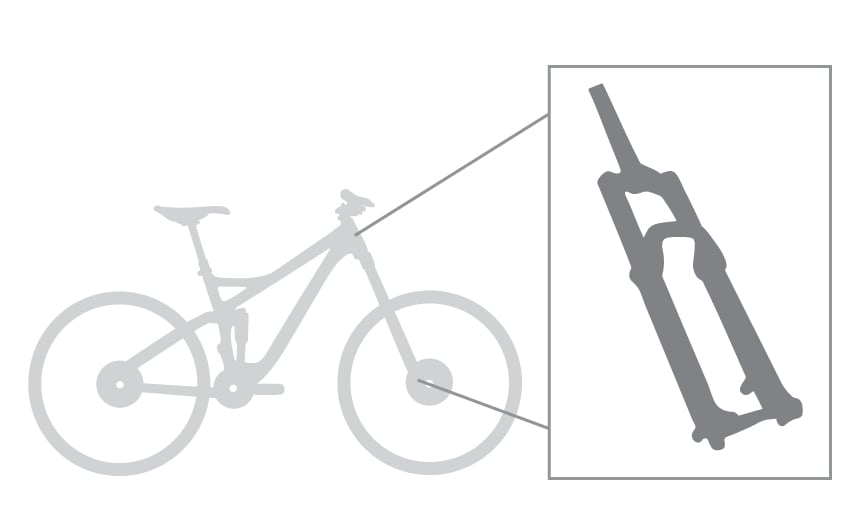
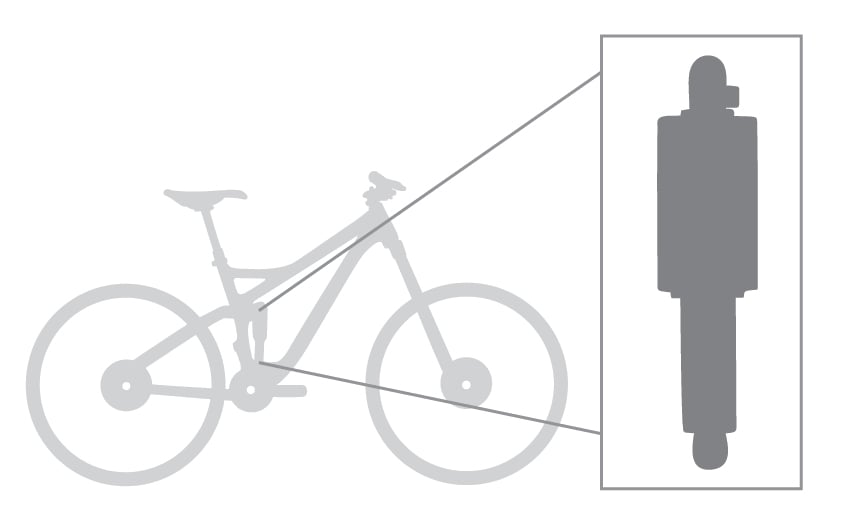
Spring & Damper
All mountain bike suspension, whether fork or rear shock have 2 main functions which are performed by the spring and the damper. The spring primarily provides resistance while the damper provides the control of that resistance. There are two types of springs: air and coil.
Look at all that air...
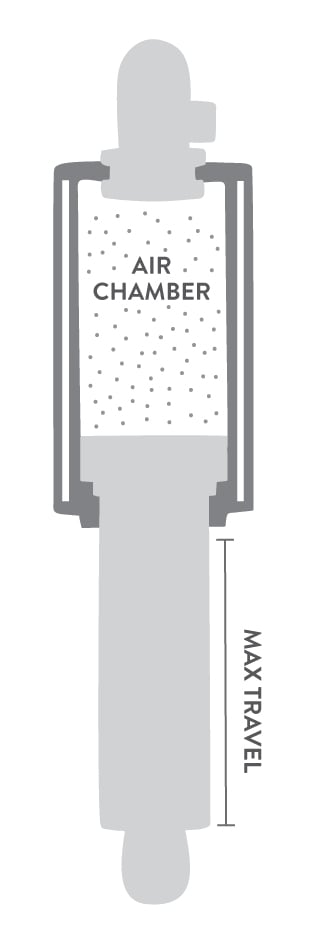
Mutant Clicky Pen?
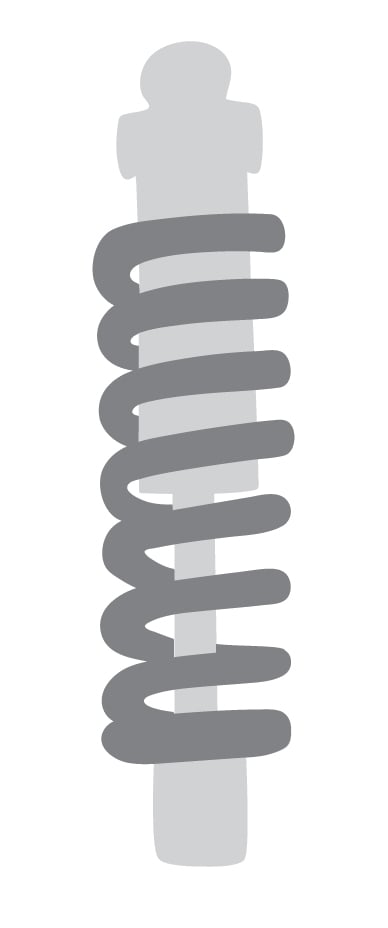
Compression Damping
This is where mountain bike suspension talk can get confusing, so hang with us here. You’ll hear a lot of people talk about using compression damping to “firm up” their suspension and while that’s a great way to describe how your suspension may feel, it’s technically not correct.
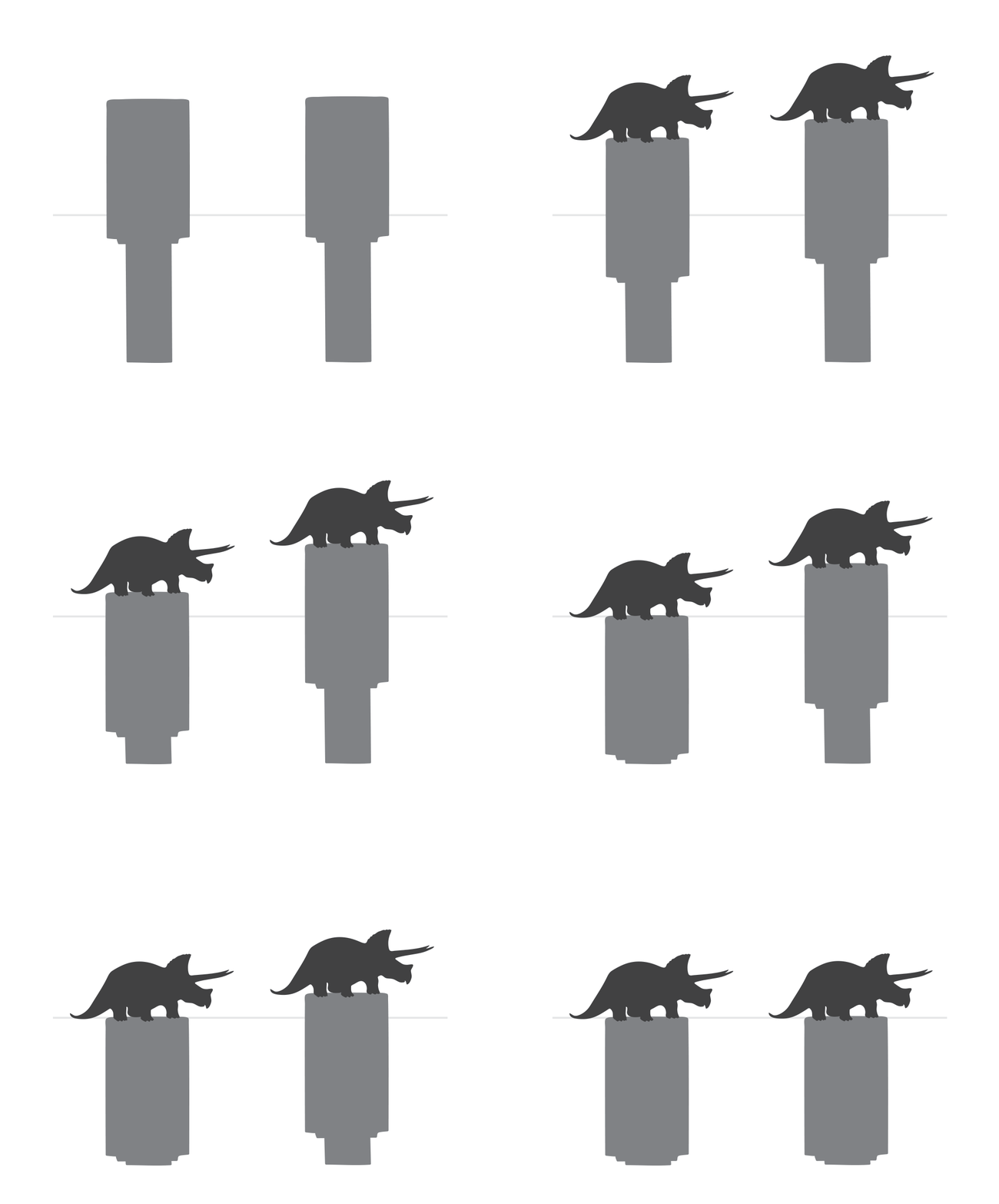
Low Speed vs High Speed
Did we lose yet? No? Good, because it gets even more fun. Compression damping can be divided into 2 types: low speed and high speed.
Most mountain bike suspension products with compression damping adjustment let you adjust low speed, but use preset values for high-speed compressions. Some value-oriented systems will be entirely pre-set at the factory.
Examples of low speed compression damping adjustment are Climb, Trail, Descend (Fox CTD) and Open, Pedal, Lock (RockShox RC3). If high-speed adjustment is not specifically called out, your shock is adjusting for low-speed compression only.
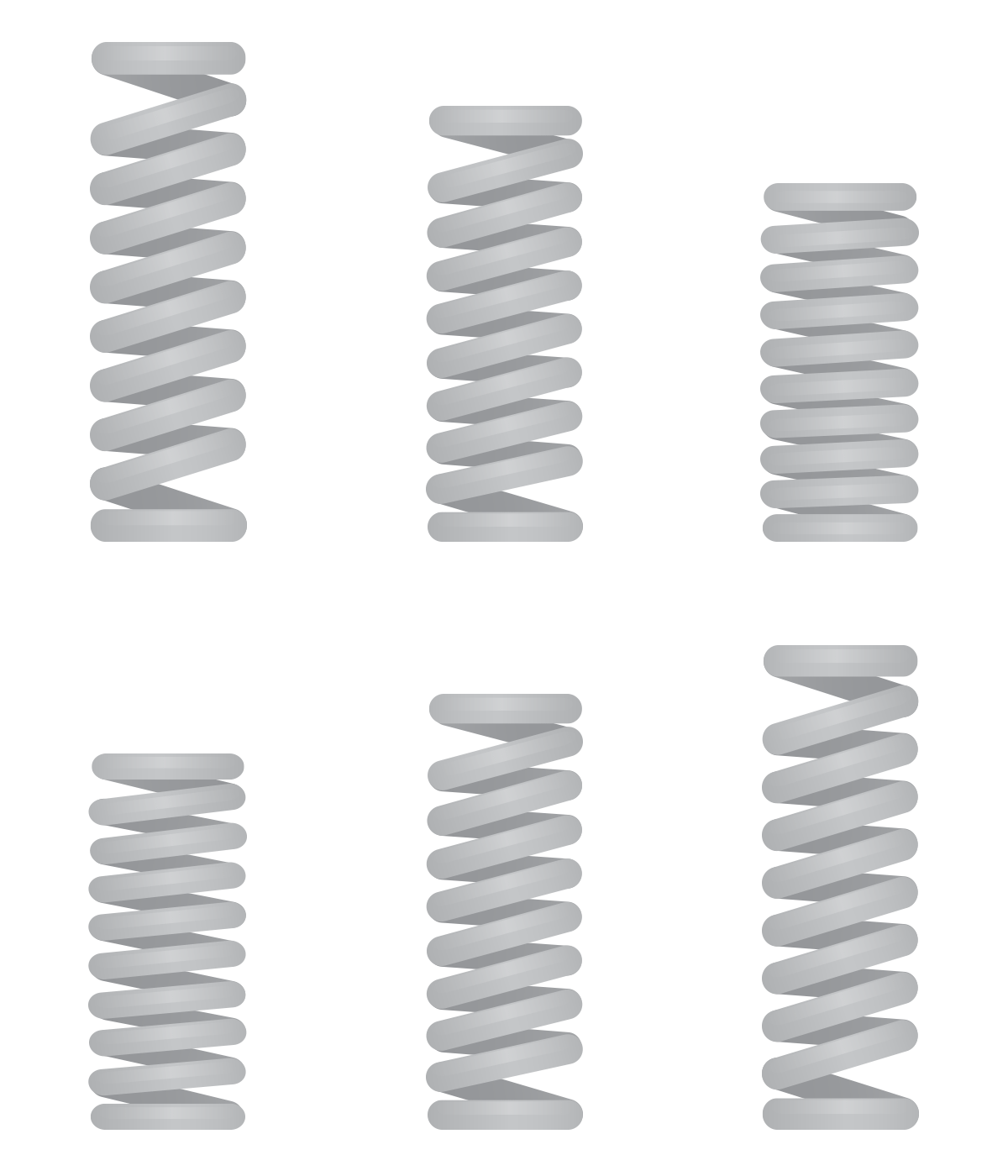
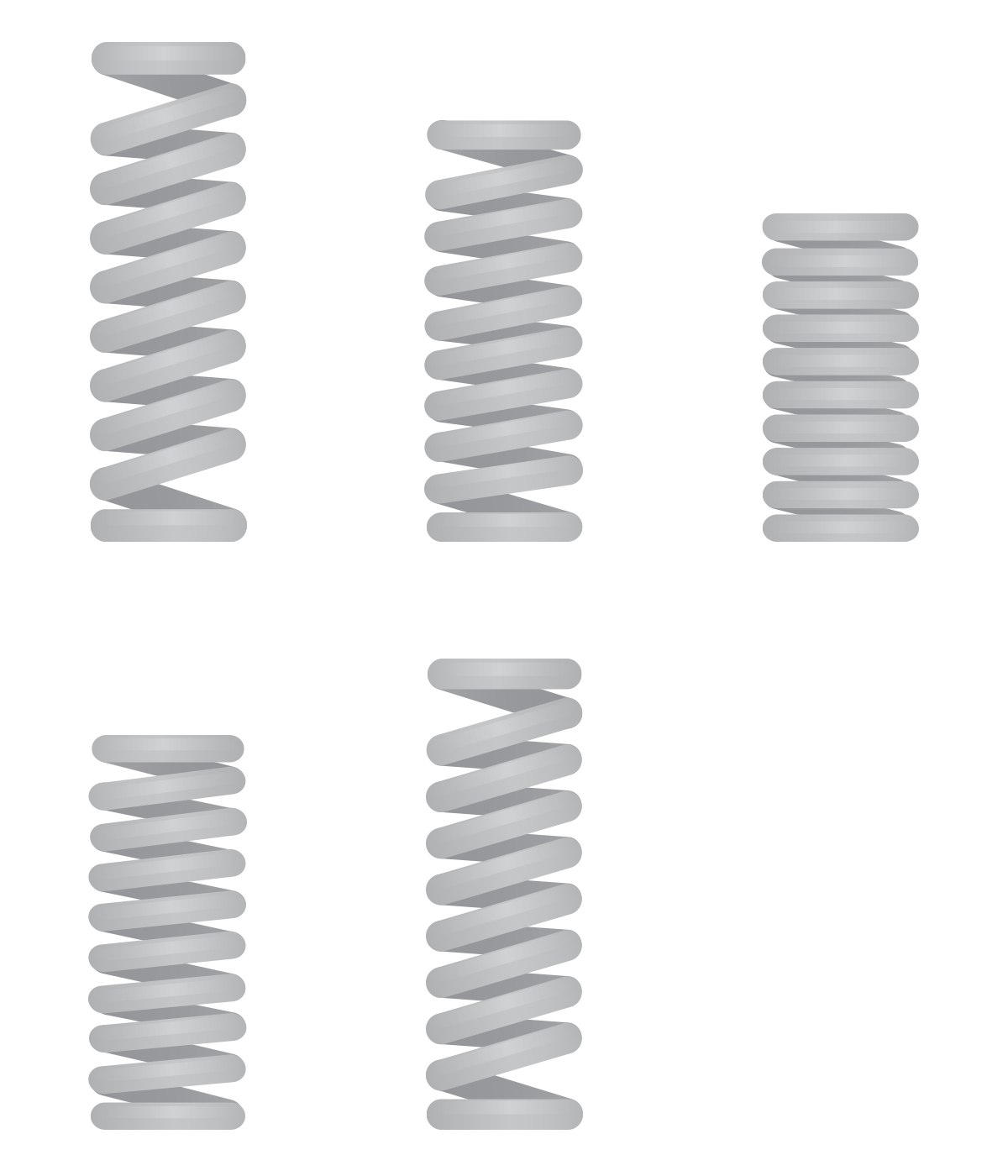
Bottom Out Control
This feature can either be a part of the spring componentry or a part of compression damping.
Air springs naturally have progressive spring rate, meaning that the amount of resistance growth isn’t linear. The resistance ramps up as it drives further into the stroke providing a natural bottom out resistance (Imagine the increasing resistance as you pump up a tire). This can be accentuated by reducing the volume of the air chamber, which can be adjusted on some higher-end suspension.
High speed compression is sometimes used as a bottom-out control and some suspension products even have specific compression damping features that control the end stroke for bottom out control as well.
A well-tuned mountain bike fork or shock will bottom out here and there on a ride, but it should never have that “dropped a t-bone steak on the counter” harsh feeling. It may even go completely unnoticed and bottom out control can be a big part of that.
Lastly, in rear suspension, some bottom out control may be built into the bike. Some mountain bike suspension designs adjust their leverage ratio throughout the travel to make for cushy bottom out. Don’t worry about this too much as its integrated into the frame design and isn’t adjustable.
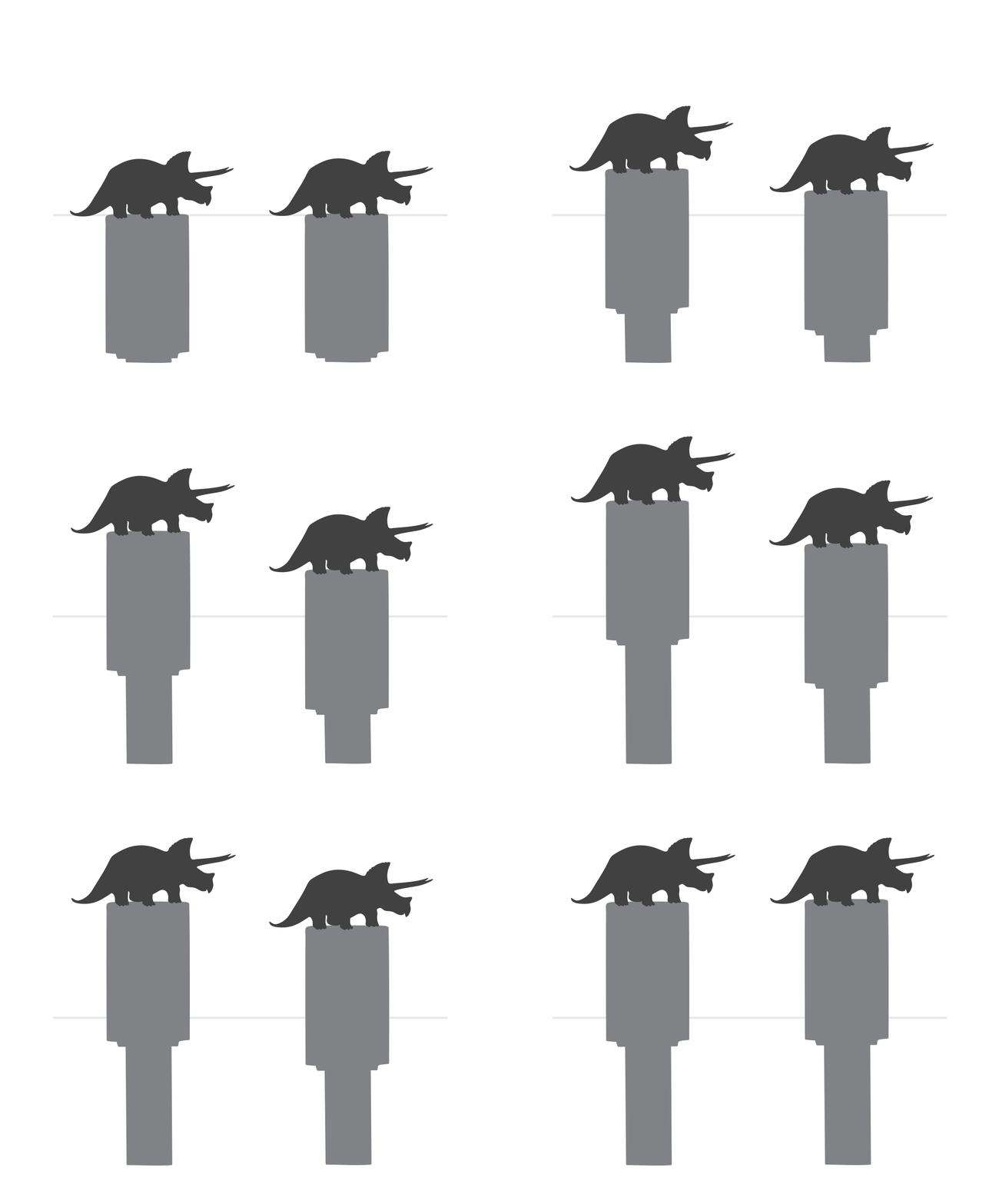
Position sensitive damping is also a feature in higher end models which allows the suspension to return more slowly after a bottom-out or near-bottom out so you don’t get bounced over the handlebars after hard landings.
Learn More With Our Other Bike Guides:
How to Choose a Mountain Bike
Mountain Bike Sizing and Fit Guide
How to Get Started Mountain Biking
How to Choose a Mountain Bike Wheel Size
Mountain Bike Suspension Basics
Women's Mountain Bike Buyer's Guide
How To Get Started Gravel Biking
Electric Mountain Bike Buyer's Guide
Classes of eBikes
Travel Guides - Where to Mountain Bike
Travel Guides - Where to Ride eBikes
Mountain Bike Cockpit Setup & Seat Height
How to Choose a Mountain Bike Dropper Post
How to Choose Mountain Bike Tires
How to Choose Mountain Bike Handlebars
How to Choose Mountain Bike Pedals
How to Choose Clipless Pedals, Shoes & Cleats
How to Choose a Bike Seat / Saddle
Women's Mountain Bike Gear & Clothing Guide
How to Choose MTB Knee Pads
Bike Helmet Size & Fit Guide
How to Choose Bike Shoes
Shimano Groupset Hierarchy Explained
SRAM Groupset Hierarchy Explained
SRAM vs Shimano Groupsets Compared
What to Bring Mountain Biking
What to Wear Mountain Biking
Mountain Bike Tire Pressure Guide
Mountain Bike Maintenance Schedule
How to Clean a Mountain Bike
How to Change Bike Pedals
How to Bleed SRAM Brakes
How to Bleed Shimano Brakes
How to Convert to Tubeless Tires
How to Replace Internal Cable Housing
How to Adjust Your Rear Derailleur
How to Replace a Bike Chain
How to Fix Bike Creaks & Noises
Need a tune up? Bring your bike in for maintenance at any of our flagship locations for assistance:
This is evo. We are a ski, snowboard, wake, skate, bike, surf, camp, and clothing online retailer with physical stores in Seattle, Portland, Denver, Salt Lake City, Whistler, and Snoqualmie Pass. Our goal is to provide you with great information to make both your purchase and upkeep easy.
evo also likes to travel to remote places across the globe in search of world-class powder turns, epic waves, or legendary mountain biking locations through evoTrip Adventure Travel Trips. Or, if you prefer to travel on your own, check out our ski & snowboard resort travel guides and mountain bike trail guides.
Still have questions? Please call our customer care team at 1.866.386.1590 during Customer Care Hours. They can help you find the right setup to fit your needs.


