


How to Change Bike Pedals
Changing your bike pedals is a fundamental skill to have, whether you’re putting clipless pedals on a shiny new road bike or upgrading to some grippy aluminum flats on a mountain bike. Unless you're alernating between clipless and flats, you shouldn't have to change your pedals very often, but it's still a handy skill to know.
Removing and installing bike pedals is quick and easy once you know the process, and it's the same for gravel, road, and mountain bikes. The hardest part is remembering which way to turn the pedal wrench.
We’ll walk you through how to change bike pedals step-by-step below so you can be on your way to wrenching like a well-seasoned bike mechanic.
If you're still deciding which pedals to get, we recommend viewing our How to Choose Mountain Bike Pedals and The Best Mountain Flat Bike Pedals guides.
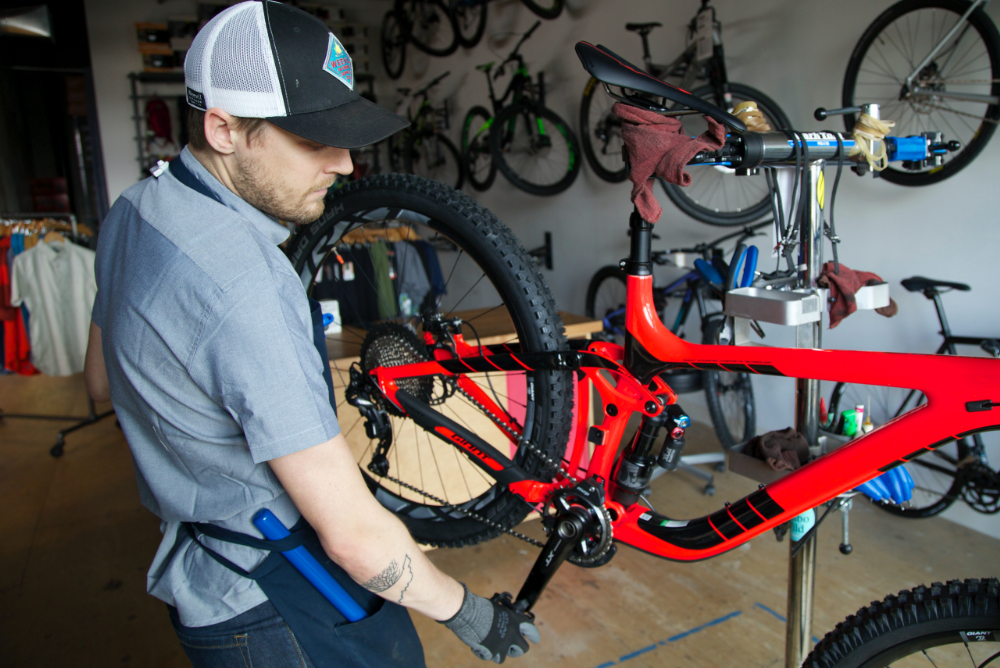
Tools
To change bike pedals, you will need a pedal wrench or allen key. Depending on your spindle shape and style of bike pedals, you will need either:- 15mm open-ended wrench or pedal wrench
- 8mm / 6mm Allen Key
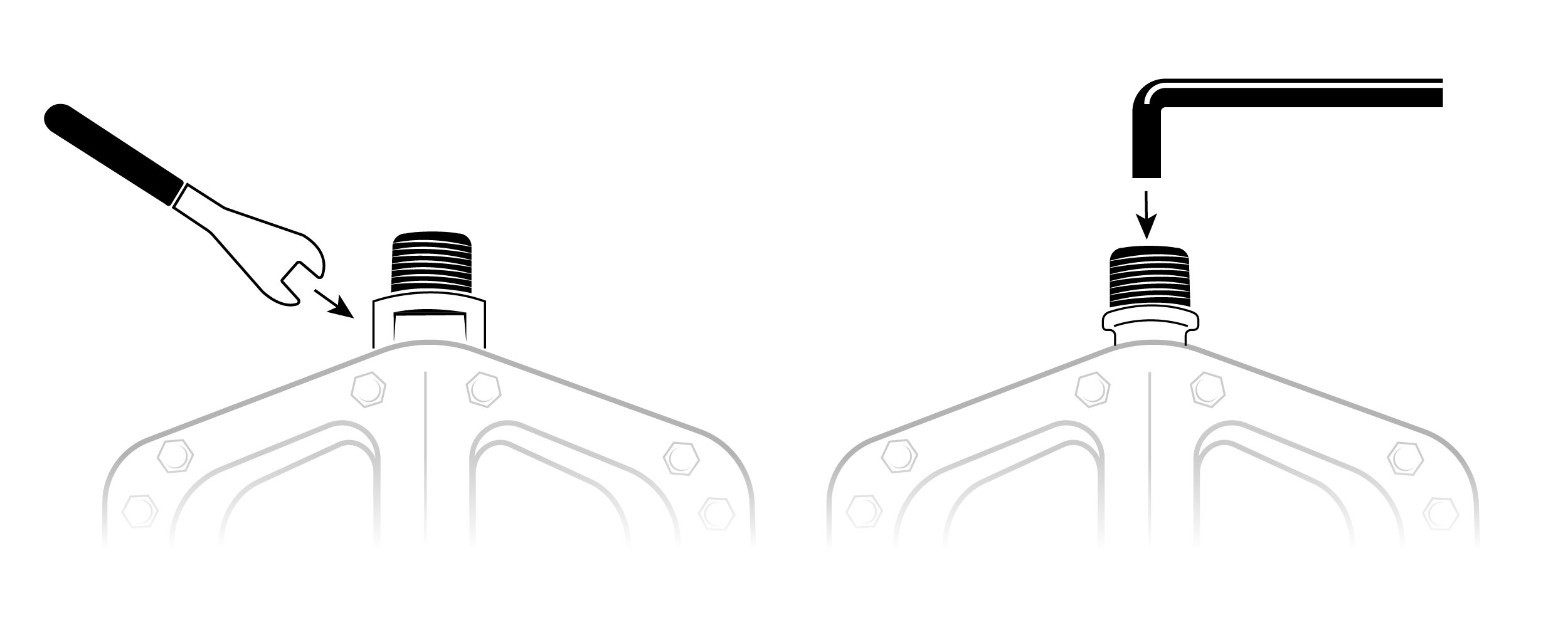
An Allen key can be used on pedals that have hexagonal sockets at the end of the spindle. Some spindels do not have flat faces and will require the use of an allen key. 8mm Allen keys will usually do the trick, but some brands have 6mm sockets so it’s good to have a multitool or Allen key set on hand.
How to Remove Bike Pedals
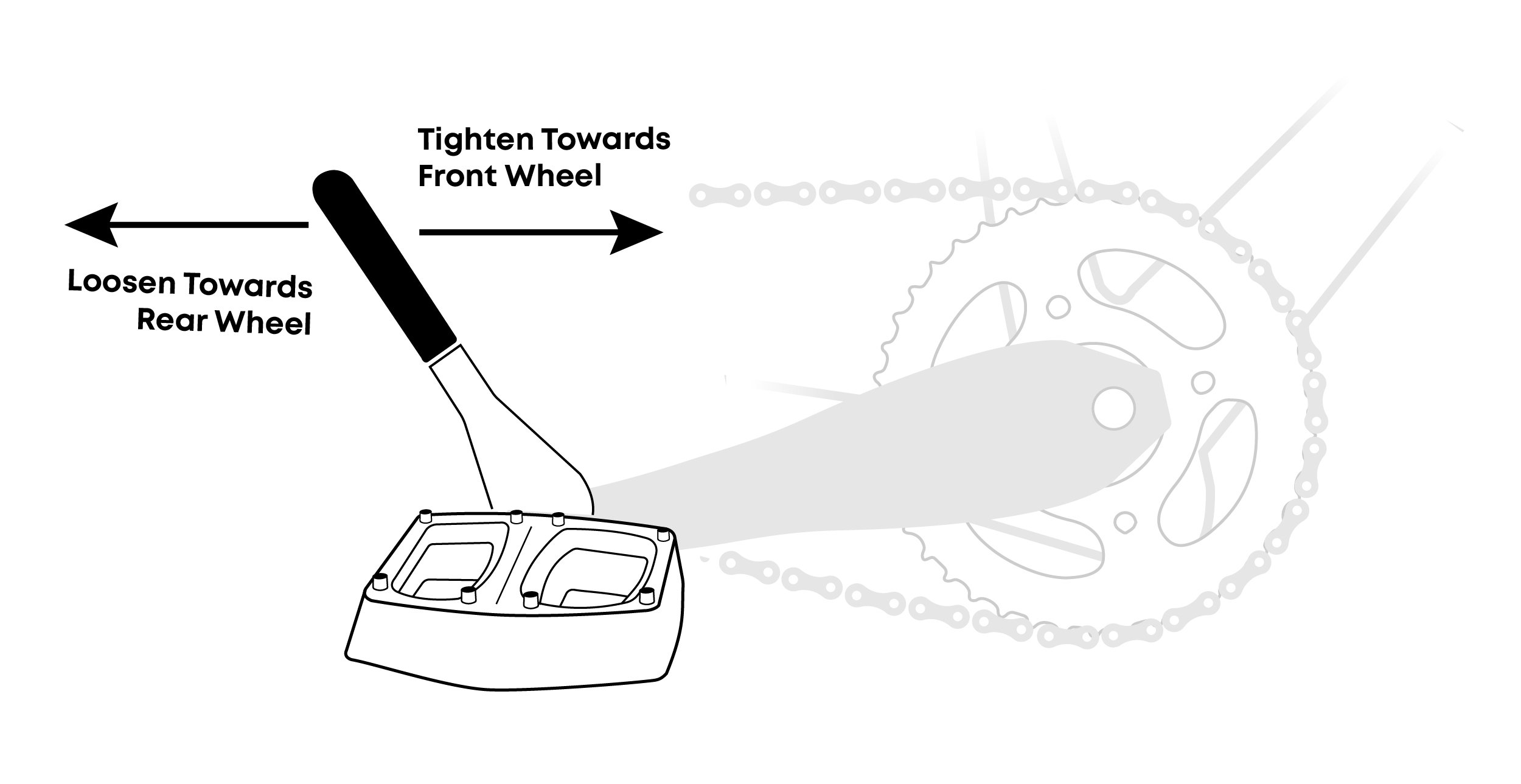
Once you’ve gathered the proper wrench for your bike’s pedal setup, you’re probably wondering how to take pedals off your bike first. Follow these easy steps:- Secure your bike on a bike stand or a flat surface.
- Starting with the right (driveside) pedal, position the pedal wrench or Allen keys so you have some leverage.
- Rotate counterclockwise (righty tighty, lefty loosey).
It helps to hold the opposite crank for support and extra leverage. It might take a lot of force to loosen the thread if the spindles weren’t greased or if they’ve been on the bike for a long time.
Once you loosen the spindle, you should be able to finish rotating by hand and remove the pedal.
Follow the same procedure for the left pedal (non-driveside), but rotate the pedal wrench or Allen key clockwise instead.
How to Replace Bike Pedals
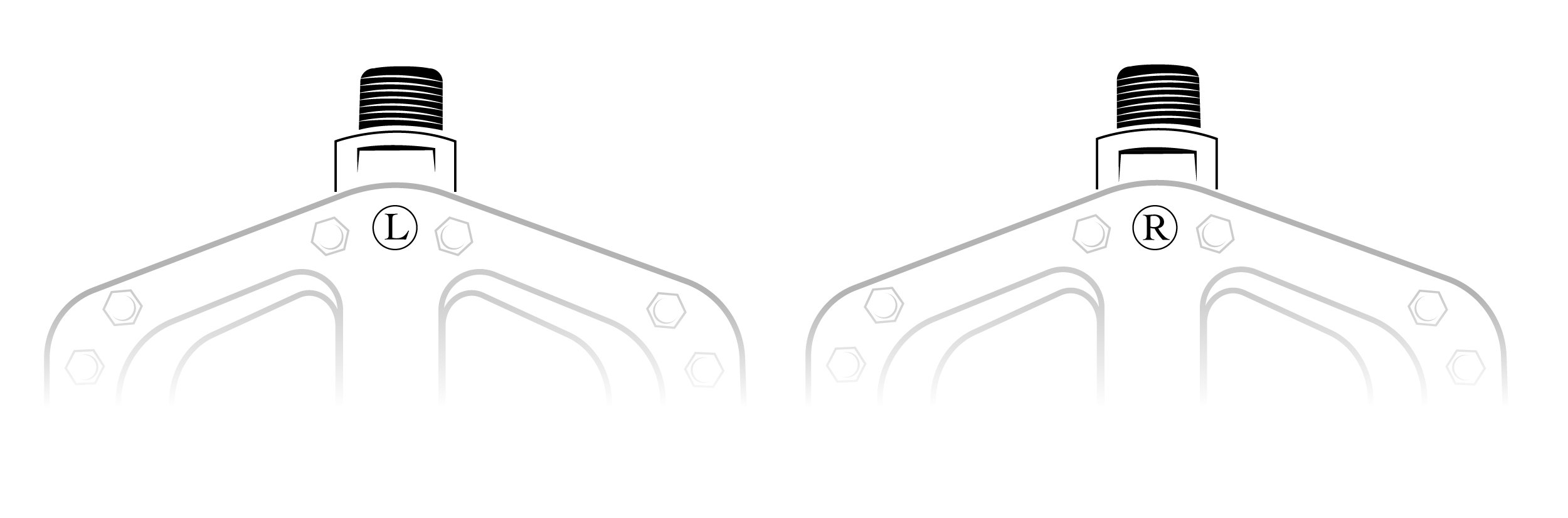
- Start with the "right" pedal or driveside pedal by looking near the spindle for the letters R or L - in this case, you’ll want the R. This pedal has standard direction threads — righty tighty, lefty loosey.
- If the pedals are used, wipe the threads on the new pedals before installing them to remove any dirt or grit.
- Apply a thin layer of anti-seize to the threads of the spindle.
- Align the pedal with the right (drivetrain side) socket.
- Do a few clockwise (righty tighty) turns by hand to ensure the threads are aligned. If you feel resistance, remove the pedal and start over so you don’t cross-thread your spindle or crank.
- Continue tightening by hand and finish with the pedal wrench or Allen key so there is no play.
- Repeat with the left pedal (L) on the non-driveside.
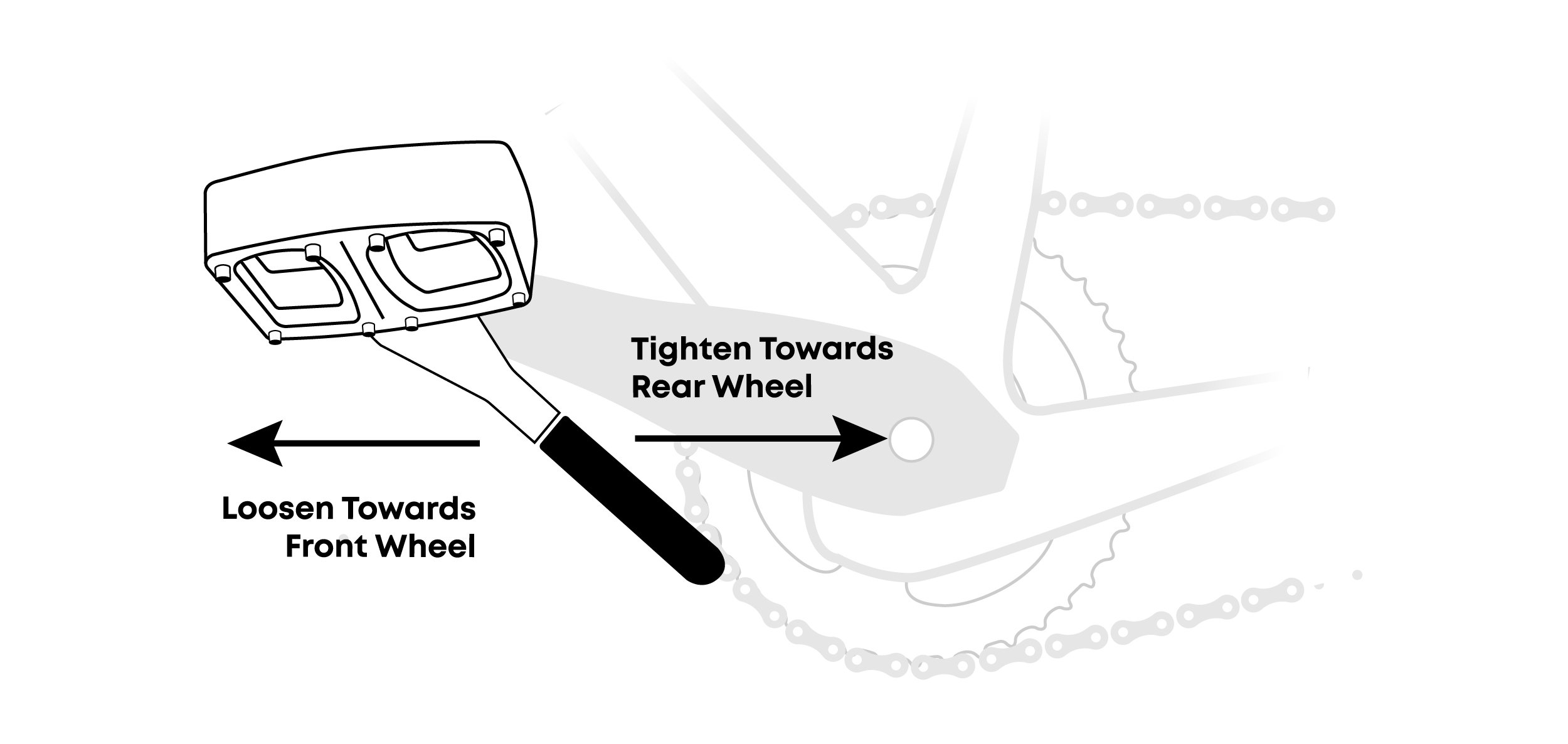
Bike Upside Down Method
We know not everyone has a dedicated bike stand whether at home or out on the road, so if you're in a pinch and need to stabilize your bike by flipping it upside down — resting on the handlebars and seat — to change the pedals this section is here to help!
All the steps are the same as listed above, but each direction of force will be the opposite of that listed above. Pro Tip: Preserve your handlebars and saddle by laying down a towel, blanket or other protective surface first.
Removing Bike Pedals with Upside Down Method
- Remove the right (driveside) pedal following the steps above, but rotateclockwise.
- Remove the left pedal (non-driveside) following the steps above, but rotate counterclockwise.
Installing Bike Pedals with Upside Down Method
- Install the right pedal (driveside) following the steps above, but thread in counterclockwise.
- Install the left pedal (non-driveside) following the steps above, but thread in clockwise.
Learn More With Our Other Bike Guides:
How to Choose a Mountain Bike
Mountain Bike Sizing and Fit Guide
How to Get Started Mountain Biking
How to Choose a Mountain Bike Wheel Size
Mountain Bike Suspension Basics
Women's Mountain Bike Buyer's Guide
How To Get Started Gravel Biking
Electric Mountain Bike Buyer's Guide
Classes of eBikes
Travel Guides - Where to Mountain Bike
Travel Guides - Where to Ride eBikes
Mountain Bike Cockpit Setup & Seat Height
How to Choose a Mountain Bike Dropper Post
How to Choose Mountain Bike Tires
How to Choose Mountain Bike Handlebars
How to Choose Mountain Bike Pedals
How to Choose Clipless Pedals, Shoes & Cleats
How to Choose a Bike Seat / Saddle
Women's Mountain Bike Gear & Clothing Guide
How to Choose MTB Knee Pads
Bike Helmet Size & Fit Guide
How to Choose Bike Shoes
Shimano Groupset Hierarchy Explained
SRAM Groupset Hierarchy Explained
SRAM vs Shimano Groupsets Compared
What to Bring Mountain Biking
What to Wear Mountain Biking
Mountain Bike Tire Pressure Guide
Mountain Bike Maintenance Schedule
How to Clean a Mountain Bike
How to Change Bike Pedals
How to Bleed SRAM Brakes
How to Bleed Shimano Brakes
How to Convert to Tubeless Tires
How to Replace Internal Cable Housing
How to Adjust Your Rear Derailleur
How to Replace a Bike Chain
How to Fix Bike Creaks & Noises
This is evo. We are a ski, snowboard, wake, skate, bike, surf, camp, and clothing online retailer with physical stores in Seattle, Portland, Denver, Salt Lake City, Whistler, and Snoqualmie Pass. Our goal is to provide you with great information to make both your purchase and upkeep easy.
evo also likes to travel to remote places across the globe in search of world-class powder turns, epic waves, or legendary mountain biking locations through evoTrip Adventure Travel Trips. Or, if you prefer to travel on your own, check out our ski & snowboard resort travel guides and mountain bike trail guides.
Still have questions? Please call our customer care team at 1.866.386.1590 during Customer Care Hours. They can help you find the right setup to fit your needs.


